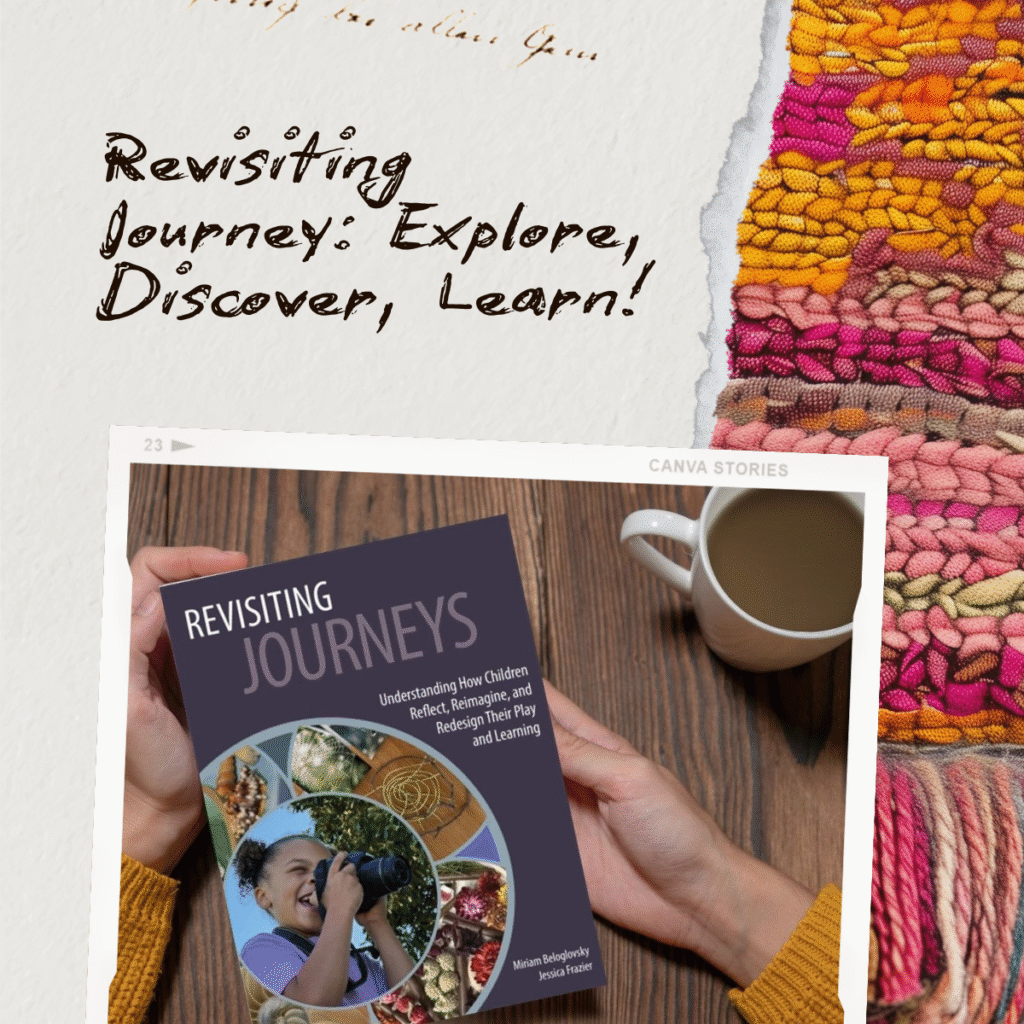
What if learning wasn’t about reaching a final answer but about circling back—returning to ideas, rethinking possibilities, and rediscovering wonder? The Revisiting Journeys Framework invites us to envision learning as a dynamic, living process in which both children and educators explore, question, and grow together.
Learning Through Children’s Eyes
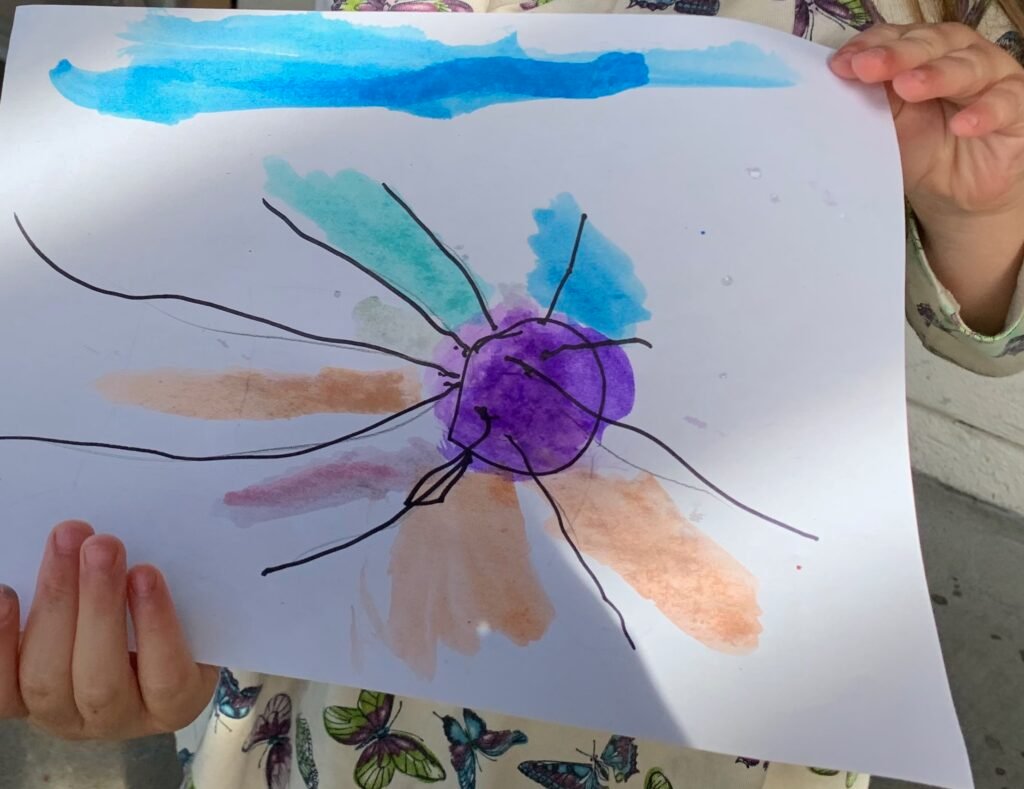
For children, play is learning. Every paint mark, every paper fold, and every block tower holds the seeds of curiosity. When we invite children to revisit their ideas, they gain more than skills—they develop dispositions that last a lifetime. They test hypotheses, make unexpected discoveries, and learn about the basic principles of materials and tools through first-hand experiences. Each loop of revisiting deepens their ability to think critically and creatively.tems anchored in wonder and curiosity.
Revisiting in Action: Roxaboxen
A beautiful example of revisiting comes alive in Roxaboxen, by Alice McLerran. In the story, children transform a scraggly desert hill into a make-believe town each summer. With wooden boxes, stones, and found materials, Roxaboxen evolved year after year—rebuilt, revised, and reimagined through the children’s imaginations and fierce negotiations. Through their revisiting, the children discovered how to collaborate, adapt, and dream together. Roxaboxen was more than a place; it was a living testament to the power of imagination and revisiting.
Rediscovering Our Own Creativity
The Revisiting Journeys Framework isn’t only for children—it’s also for educators and families. As adults, we can rediscover our own creativity by researching, learning, and designing play ecosystems that reflect children’s interests. These ecosystems are not static spaces; they evolve as children reimagine and redefine their play. When we join children in their journeys, we don’t come as experts with answers, but as co-researchers—asking questions, exploring possibilities, and learning alongside them. Families play a crucial role in this process, providing insights into children’s interests and learning alongside them.
Parallel Journeys for Educators
Every revisiting journey children take opens a parallel journey for educators. When children show interest in a topic, we research too—expanding our knowledge to support and enrich their discoveries. These parallel journeys allow us to grow as professionals while creating more meaningful connections with the children we serve. In this way, revisiting becomes a practice of shared inquiry—a cycle that fuels lifelong learning for everyone. Educators are not just facilitators, but also co-researchers, asking questions, exploring possibilities, and learning alongside the children.
Chronicles of the Journey
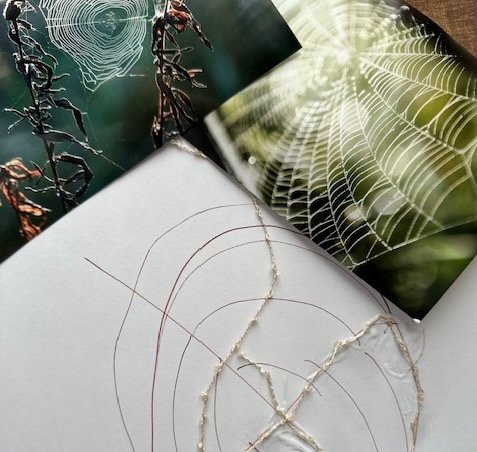
At the heart of every revisiting journey lies a story—children circling back to their ideas, reshaping them with discoveries and a deeper understanding. Chronicles, in the context of the Revisiting Journeys Framework, are the living documents of these stories. They are not just simple documentation, but a narrative that captures the evolution of children’s thinking and learning. Chronicles make children’s learning visible, not only for the child but for educators, families, and communities who walk alongside them.
A chronicle is more than simple documentation. Children are the guides, partners, and leaders of the process. Their curiosity and persistence are the driving forces behind the revisiting journey. Chronicles are a mirror of the children’s growth and development. They gather photographs, quotes, sketches, and reflections into a narrative that captures the evolution of thinking. When children revisit their chronicles, they see their growth unfold before them. They remember where they began, notice how their ideas transformed, and take pride in how far they have come.
For educators, chronicles serve as powerful tools of reflection. They guide us to notice the nuances of children’s exploration and remind us that learning is cyclical, not linear. Chronicles invite us to pause, rethink our assumptions, and co-construct new possibilities with children. They are not just records of past activities, but mirrors that help us understand and improve our practice.
Ultimately, chronicles are not about perfection; they are about honoring the process. They preserve the wonder of learning as it happens, ensuring that each revisiting journey is remembered, valued, and carried forward.
Why Revisiting Matters
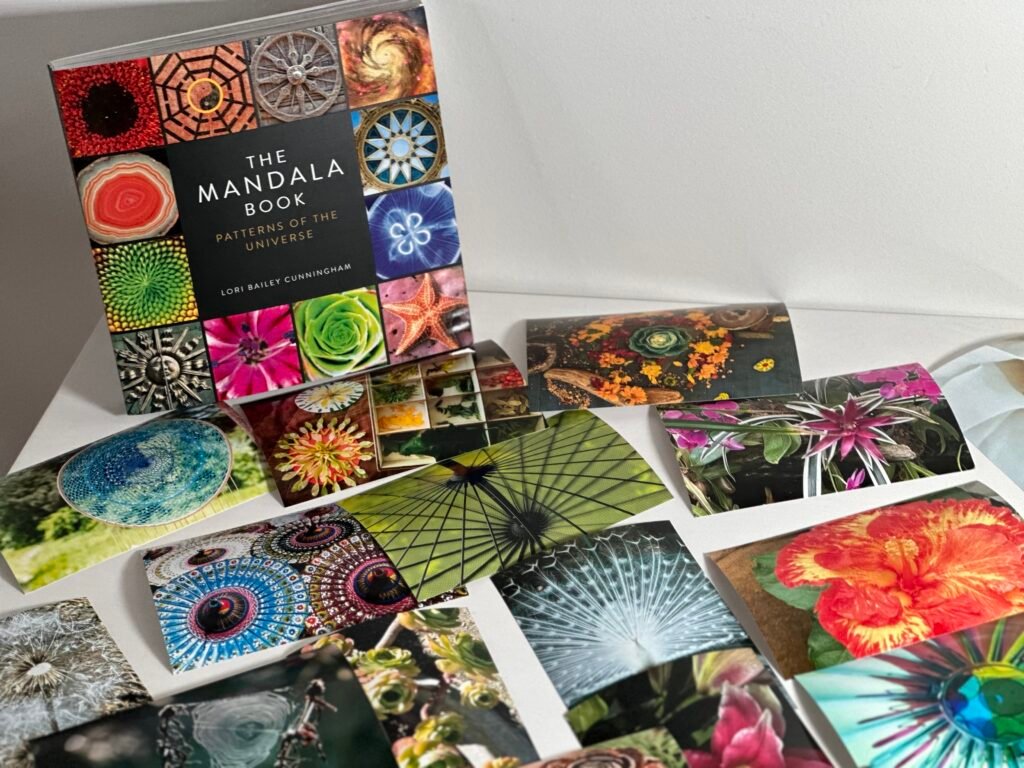
To revisit is to reexamine a thought, concept, or idea with new eyes. This simple yet profound act enables children to form deeper connections, not just with their learning, but also with their sense of agency in the world. Revisiting transforms play into a powerful tool for lifelong learning—for both children and adults.
An Invitation to Join The Revisiting Journeys Movement
The Revisiting Journeys Framework invites us all to pause, rethink, reflect, and reimagine what learning can look like. Whether through children’s questions, educators’ parallel journeys, or shared discoveries in play ecosystems, revisiting opens endless possibilities.
Join us to read the new book:
Revisiting Journeys: Understanding How Children Reflect, Reimagine and Redesign Their Play and Learning!